Magnolia
| Magnolia |
|---|

|
| Scientific Classification |
|
| Species |
|
Magnolia subgenus Magnolia:
Magnolia subgenus Yulania:
|
Magnolia is the type-genus of flowering plants in which there are about 80 species of trees and shrubs. The genus Magnolia typically is characterized by showy flowers, and some have the largest leaves and flowers of any trees in the temperate region.
Anatomy
The leaves of a Magnolia are simple and pinnate. There are many different kinds of Magnolias and they all look somewhat different. Magnolia flowers come in an assortment of varieties which are all pleasing to the eye and tend to draw the observer in for further study. Even though two flowers are never the same they all have the same basic underlying structure.
Reproduction

Magnolias do best in moist soil and they can grow relatively easily in normal garden soil. Most Magnolias are grown naturally from seeds but some are produced through vegetative reproduction. When people use vegetative reproduction they use cuttings, by layering and grafting. By grafting in the winter or spring in a greenhouse, very rare kinds can be produced. Within 18 months sowing and germination of the seed has ocurred. They are not all like that; for example the Magnolia Grandflora, if grown from a seed may take 15-20 years to sprout a blossom.
Ecology
Magnolias grow as either evergreen or deciduous, and usually grow best in rich and moist soils, especially if they are well-drained. They grow in warm temperatures or semitropical climates. They also tend to grow in regions where fires are rare. Magnolias require large amounts of water and will die without a continuous supply of water.
Gallery
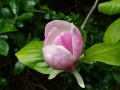
M. denudata x M. liliiflora (hybrid)
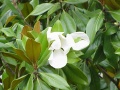
M. grandiflora
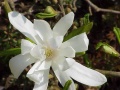
M. stellata


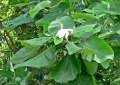
M. dealbata
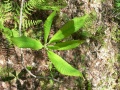
M. tripetala
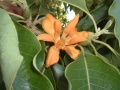
'M. champaca


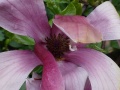
M. liliiflora

References
- Fraser Magnolia Magnolia fraseri
- Southern Magnolia Magnoliaceae -- Magnolia family
- Magnolia acuminata Magnolia
- The Evolution of Magnolias Magnolias
- Magnoliaceae Magnolia
- Magnolia Questions and Answers The US National Arboretum


